
Why K9 Detection in IPM Should Be a First Thought—Not an Afterthought
- Urban Canine Pest and Wildlife Solutions

- Feb 1
- 3 min read
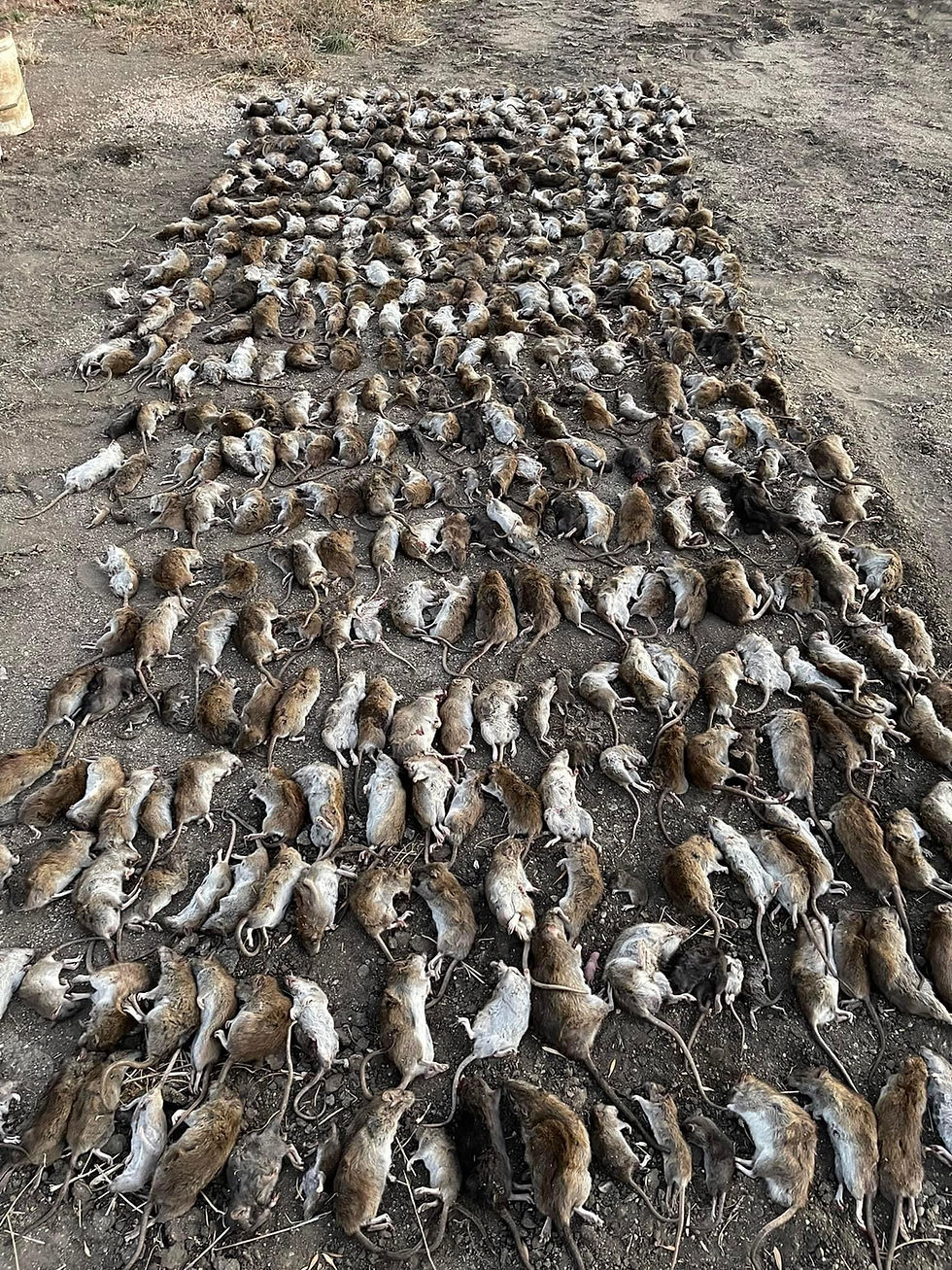
Across the U.S., rodent pressure is increasing in both commercial and residential environments. According to industry forecasts, changing weather patterns and extreme conditions are pushing rodents indoors in search of warmth, food, and shelter, contributing to rising infestations nationwide.
For facility managers, food processors, property groups, and healthcare environments, this means one thing: Integrated Pest Management (IPM) strategies must evolve. And one of the most underutilized tools in modern IPM programs is the use of trained K-9 detection teams.
Instead of treating K-9 services as a last-minute diagnostic tool, forward-thinking facilities are making them a first line of defense.
Why K9 Detection in IPM Matters as Rodent Pressure Rises
Industry data shows that rodent activity continues to rise across major U.S. cities, with millions of structures affected each year. In fact, rodents invade an estimated 21 million homes annually in the United States, causing structural damage and spreading disease.
You can read more about the national trend in cities facing increased rodent populations.
As urban density grows and weather patterns shift, facilities can no longer rely on reactive pest control alone. Waiting for visible signs of infestation often means the problem has already spread.
The Traditional IPM Mindset: Detect After the Problem
Many IPM programs follow a predictable pattern:
Complaints or signs of activity appear
Traps or bait stations are increased
Technicians attempt to locate the source
Damage control begins
In this model, detection happens after rodents are already established. By that point, contamination, structural damage, and reputational risk may already be in motion.
A New Mindset: Detect Before the Damage
Modern IPM programs are shifting toward proactive detection rather than reactive control.
That’s where trained K-9 teams come in.
Rodent detection dogs are trained to identify the scent of live rodents and active nesting areas—often before there are visible droppings, gnaw marks, or complaints. This allows facility managers to:
Locate activity in hidden voids and hard-to-reach areas
Confirm or rule out infestations quickly
Target treatments precisely
Reduce unnecessary chemical use
Prevent spread to adjacent areas
In short, K-9s turn rodent control from a reaction into a prevention strategy. This is why many facilities are making K9 detection in IPM a standard part of their prevention strategy rather than waiting for visible signs of infestation.
Why K-9s Belong at the Start of an IPM Program
When K-9 detection is used early, it strengthens every other part of an IPM plan.
Early-stage benefits include:
Identifying entry points before populations grow
Supporting targeted exclusion efforts
Reducing reliance on widespread baiting
Improving sanitation and structural corrections
Preventing costly shutdowns or recalls
Instead of guessing where rodents may be active, K-9s provide data-driven detection that guides smarter decisions.
High-Risk Environments Where K-9s Make the Biggest Impact
Certain industries benefit most when K-9 detection is built into the IPM program from the start:
Food processing and distribution
Prevent contamination events
Support audit readiness
Healthcare and assisted living
Protect vulnerable populations
Reduce chemical exposure
Hospitality and multi-family housing
Stop infestations before they spread unit to unit
Warehousing and logistics
Detect activity in high-rack storage areas
Reduce product loss
The Cost of Waiting
When K-9s are only brought in after a problem becomes visible, facilities often face:
Widespread contamination
Larger treatment zones
Operational disruptions
Higher remediation costs
Reputational damage
By contrast, early detection often means:
Smaller, contained treatment areas
Lower chemical use
Minimal operational impact
Faster resolution
Integrating K-9s Into a Modern IPM Strategy
A forward-thinking IPM program doesn’t treat K-9 detection as a specialty service. It treats it as a core inspection tool.
Best practices include:
Routine K-9 inspections in high-risk areas
Screening during facility expansions or renovations
Seasonal detection sweeps
Integration with exclusion and sanitation plans
Use before major audits or inspections
When K-9s are part of the foundation—not the emergency response—the entire IPM program becomes more effective.
First Thought, Not Last Resort
The most successful IPM programs share a common trait: they prioritize early detection.
K-9 detection teams provide a level of precision and speed that traditional methods often can’t match. When used at the beginning of a pest management strategy, they help facilities prevent infestations instead of reacting to them.
In today’s environment of rising rodent pressure, proactive detection isn’t a luxury—it’s a necessity.


Comments